

How to choose sunglasses that actually protect your eyes — a buyer's guide for Costa Rica
Not all sunglasses protect your eyes equally. This buyer's guide from Ojos Del Mar in Tamarindo explains UV400, polarization, lens materials, and frame fit — so you buy once and buy right.
How to choose sunglasses that actually protect your eyes — a buyer's guide for Costa Rica
Tamarindo has no shortage of places to buy sunglasses. The quality varies enormously. A dark lens and a low price are not the same thing as eye protection — and in a high-UV environment like Guanacaste, that distinction matters more than most people realize.
This is what to look for and what to avoid.
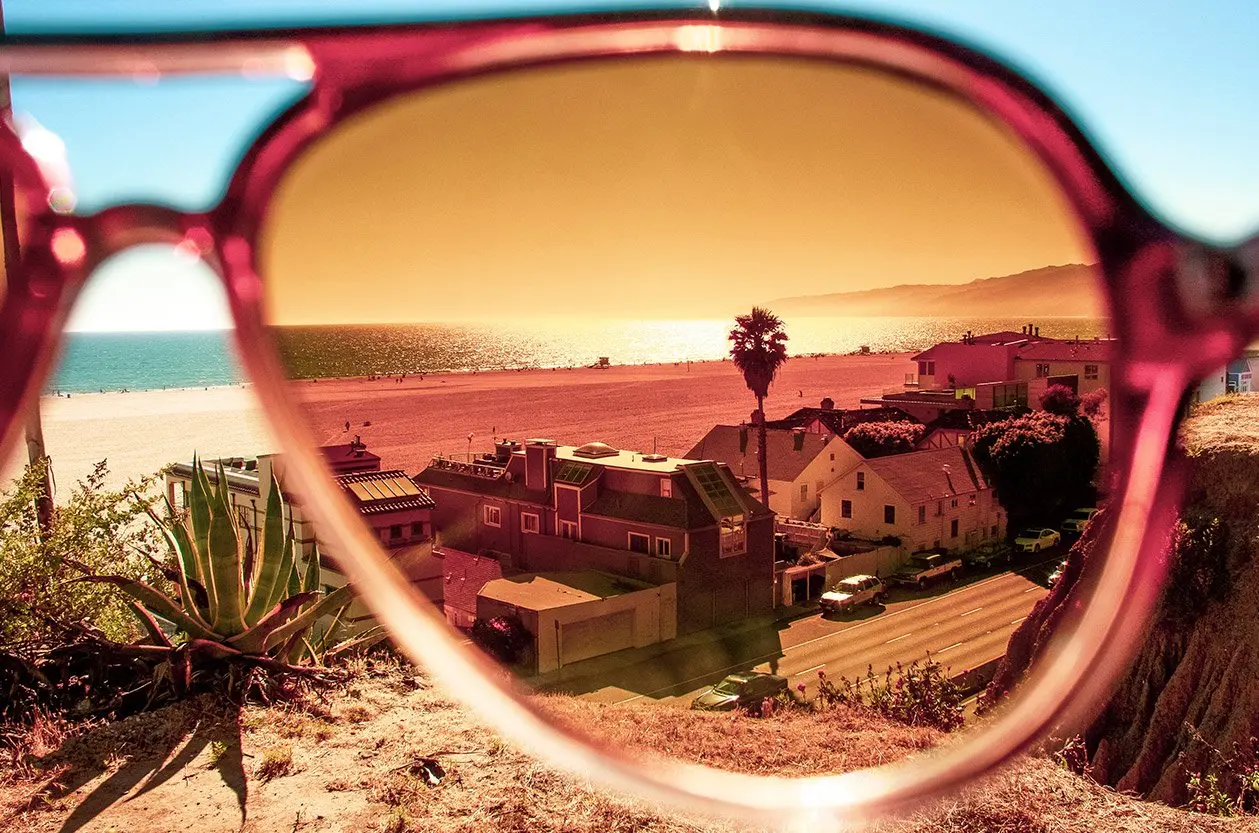
UV400: the non-negotiable baseline
UV400 means the lens blocks 100% of ultraviolet radiation up to 400 nanometers — covering both UVA and UVB. This should appear explicitly on the lens, tag, or packaging. If it doesn't say UV400 (or "100% UV protection"), assume it doesn't provide it.
Lens darkness is not UV protection. A dark lens with no UV coating makes things worse by dilating the pupil while still allowing UV through. Always check for UV400 specifically.
Polarized vs. non-polarized
Polarization is a different property from UV protection. Polarized lenses contain a filter that blocks horizontal light waves — the kind that create glare off water, roads, and reflective surfaces. They don't block more UV than a non-polarized UV400 lens, but they dramatically reduce eye strain and improve contrast in bright environments.
For most use in Guanacaste — on the water, driving, at the beach — polarized UV400 is the right combination. The difference is immediately noticeable the first time you put them on near water.
Lens material
Polycarbonate and Trivex are the lightest and most impact-resistant options — the right choice for active use. Glass lenses offer superior optical clarity but are heavier and shatter on impact. Standard plastic (CR-39) is cheap but neither durable nor particularly clear.
For sport or water use, polycarbonate is the standard. For a premium dress frame, glass or Trivex makes sense if weight isn't a priority.
Frame coverage and fit
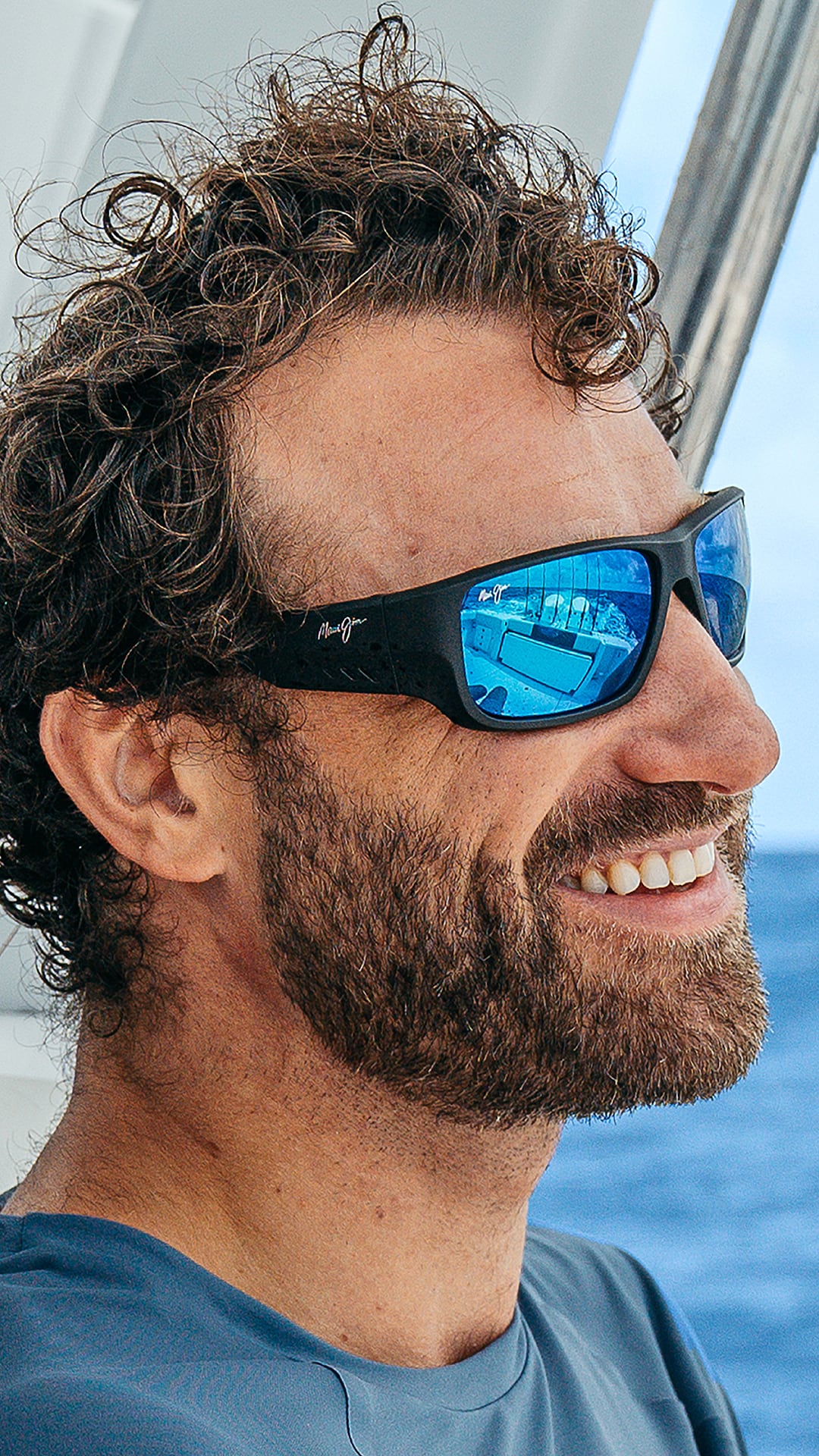
A well-made lens doesn't help if UV is entering around the edges. Wraparound frames or close-fitting frames that sit near the face provide meaningful additional protection over flat, distant frames. For full-day outdoor use in Guanacaste, coverage matters as much as lens quality.
What to avoid
Unlabeled lenses sold at markets, pop-up stalls, or gas stations. The price reflects the cost of production, not the quality of UV protection. These may carry UV400 labels that are not independently certified — there's no way to verify without a spectrometer.
Our eyewear gallery carries only certified UV400 frames from vetted brands. Every frame can be fitted with polarized, prescription, or standard lenses through our on-site Lens Lab. Come in and we'll help you find the right fit for how you spend your time. Or message us on WhatsApp with questions before you visit.

.jpg)