What is Ortho-K? A guide for Tamarindo parents considering myopia control for their child
Ortho-K lenses are worn overnight and provide clear daytime vision without glasses — while slowing myopia progression in children. Now available at Ojos Del Mar in Tamarindo.
What is Ortho-K? A guide for Tamarindo parents considering myopia control for their child
Your child has been told they need glasses, and you're wondering whether there's a better option — or their prescription has been creeping upward year after year, and you want to understand what can be done. Orthokeratology, known as Ortho-K, is one of the most effective tools available for both of these situations.
It's also one of the most underused, largely because most families have never heard of it until someone recommends it directly. This is that recommendation.

What Ortho-K is and how it works
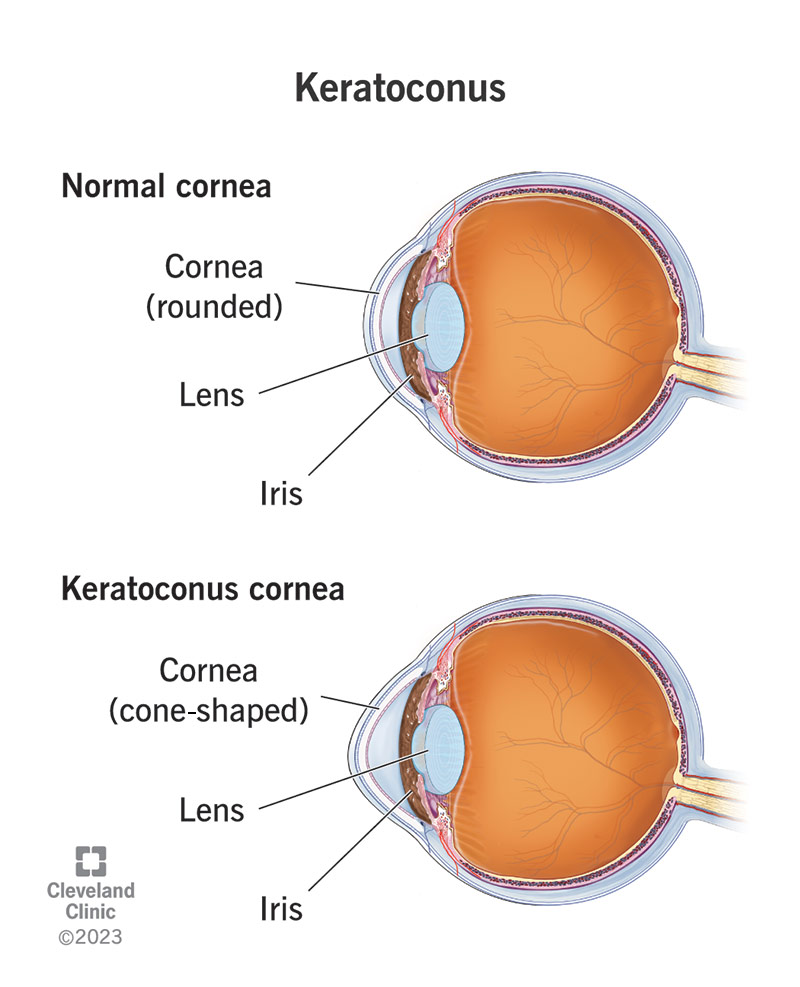
Ortho-K lenses are rigid, gas-permeable contact lenses worn only at night, while sleeping. They're custom-designed to each individual's corneal shape based on precise topographic mapping — a non-contact scan of the eye's surface that produces a detailed three-dimensional map.
During sleep, the lenses gently reshape the front surface of the eye — the cornea. By morning, the lenses come out. The cornea holds its new shape throughout the day, providing clear, unaided vision without glasses or contacts.
No lenses in the ocean. No glasses falling off on the football pitch. No fogging or saltwater damage. Just clear vision from the moment they wake up until they put the lenses back in at night.
The myopia control benefit — why this matters more than the convenience
Daytime freedom is the visible benefit. The clinically significant one is what Ortho-K does to myopia progression.
In children with myopia, the eye continues to elongate during the growth years — and standard correction (glasses, soft contacts) does nothing to slow that process. Each incremental increase in prescription isn't just an inconvenience; it increases lifetime risk of retinal detachment, glaucoma, and macular degeneration.
Multiple peer-reviewed studies show that Ortho-K slows myopia progression by 36–56% compared to standard correction. Some children wearing Ortho-K show near-zero progression over multi-year follow-up. The mechanism involves how the lens reshapes peripheral focus on the retina, reducing the signal that drives the eye to keep elongating.
The earlier treatment begins, the more of the progression curve you can interrupt.
Who qualifies
Good candidates are typically:
- Children aged 6–18 with mild to moderate myopia (usually -0.75 to -5.00 diopters, though higher prescriptions can sometimes be addressed)
- Children whose prescription has been changing year over year
- Motivated enough to follow a consistent nightly wear routine
- Children with otherwise healthy corneas and eyes
Adults with stable mild-to-moderate myopia can also benefit — particularly those who want daytime freedom but aren't candidates for refractive surgery.
What the process looks like at Ojos Del Mar
It starts with a comprehensive eye exam and corneal topography mapping. We review your child's prescription history, assess the shape and health of the cornea, and determine whether Ortho-K is an appropriate fit and what outcomes are realistic.
If they're a candidate, we custom-order lenses based on the corneal map. The first fitting involves a detailed orientation — how to insert and remove the lenses, care and cleaning, and what to expect during the adjustment period (typically one to two weeks). We schedule follow-up visits to confirm the lenses are performing as intended and adjust if needed.
To find out whether your child qualifies, book an Ortho-K consultation or message us on WhatsApp before booking if you have questions.