Surfer's eye in Costa Rica: what pterygium is, why it happens, and how we treat it
Surfer's eye (pterygium) is common in Guanacaste's high-UV environment. Learn what it is, why it develops, when to treat it, and how to prevent it — from the specialists at Ojos Del Mar in Tamarindo.
Surfer's eye in Costa Rica: what pterygium is, why it happens, and how we treat it
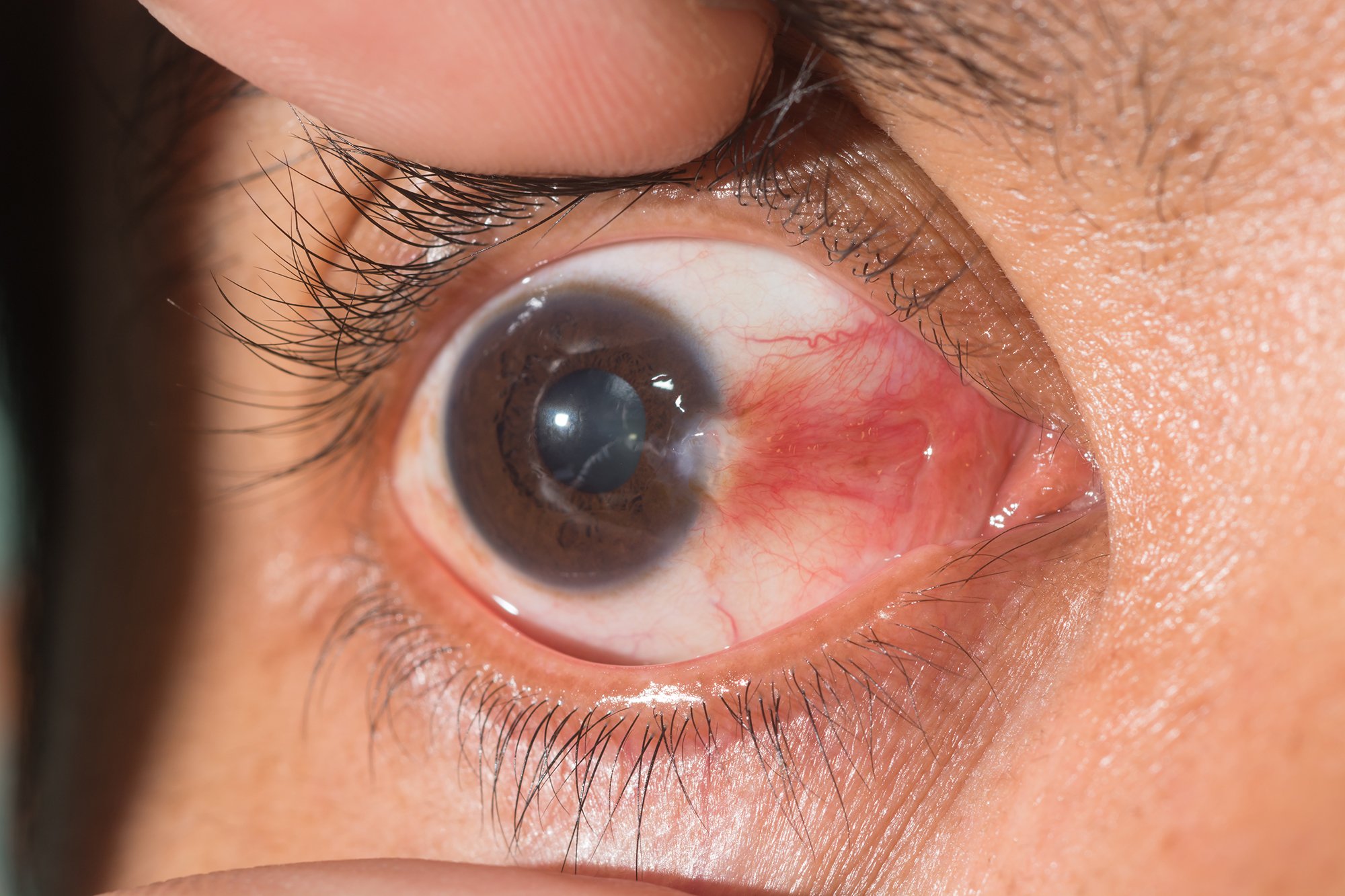
If you've noticed a pinkish or yellowish growth on the white part of your eye — particularly on the side closest to your nose — you're not imagining it, and it doesn't go away on its own. This is most likely pterygium, commonly called surfer's eye, and it's one of the conditions we see most frequently in Guanacaste.
It's not dangerous in its early stages, but it warrants attention — and the earlier it's monitored, the better your options.
What pterygium actually is
Pterygium (pronounced teh-RIJ-ee-um) is a non-cancerous growth of the conjunctiva — the thin, clear tissue covering the white of the eye — that extends onto the cornea. It typically grows from the inner corner of the eye and can expand toward the pupil over time.
In early stages, it's primarily cosmetic. As it advances, it can cause redness, irritation, a gritty sensation, and distorted or blurred vision — particularly if it grows across the visual axis.
Why Costa Rica is high-risk territory
Pterygium is directly linked to cumulative UV exposure. Living at a lower latitude means significantly more UV radiation year-round — Costa Rica sits roughly 10 degrees from the equator, and Tamarindo faces the ocean on a westward exposure with intense afternoon sun.
Wind, dust, and saltwater are compounding factors. Surfers, beach workers, fishermen, and anyone who spends significant time outdoors in Guanacaste is at elevated risk. We see it in people of all ages — not just older residents.
Symptoms to watch for
- A visible pinkish or white growth on the white of the eye
- Redness or inflammation that doesn't resolve
- A gritty, burning, or foreign-body sensation
- Increased sensitivity to light or wind
- Blurred or distorted vision (in more advanced cases)
- Frequent redness on one side of the eye
Treatment options
Treatment depends on the stage. Early, stable pterygium is typically monitored and managed with lubricating eye drops to reduce irritation. Protective eyewear is essential to slow progression.
When pterygium is growing, causing significant discomfort, threatening vision, or affecting appearance significantly, surgical removal is the appropriate step. The procedure is performed by an ophthalmologist and involves removing the growth and applying a conjunctival graft to reduce the risk of recurrence. Recovery is straightforward, though recurrence without proper UV protection remains a risk.
We assess pterygium at every comprehensive exam and can refer you for surgical consultation when indicated.
Prevention matters here
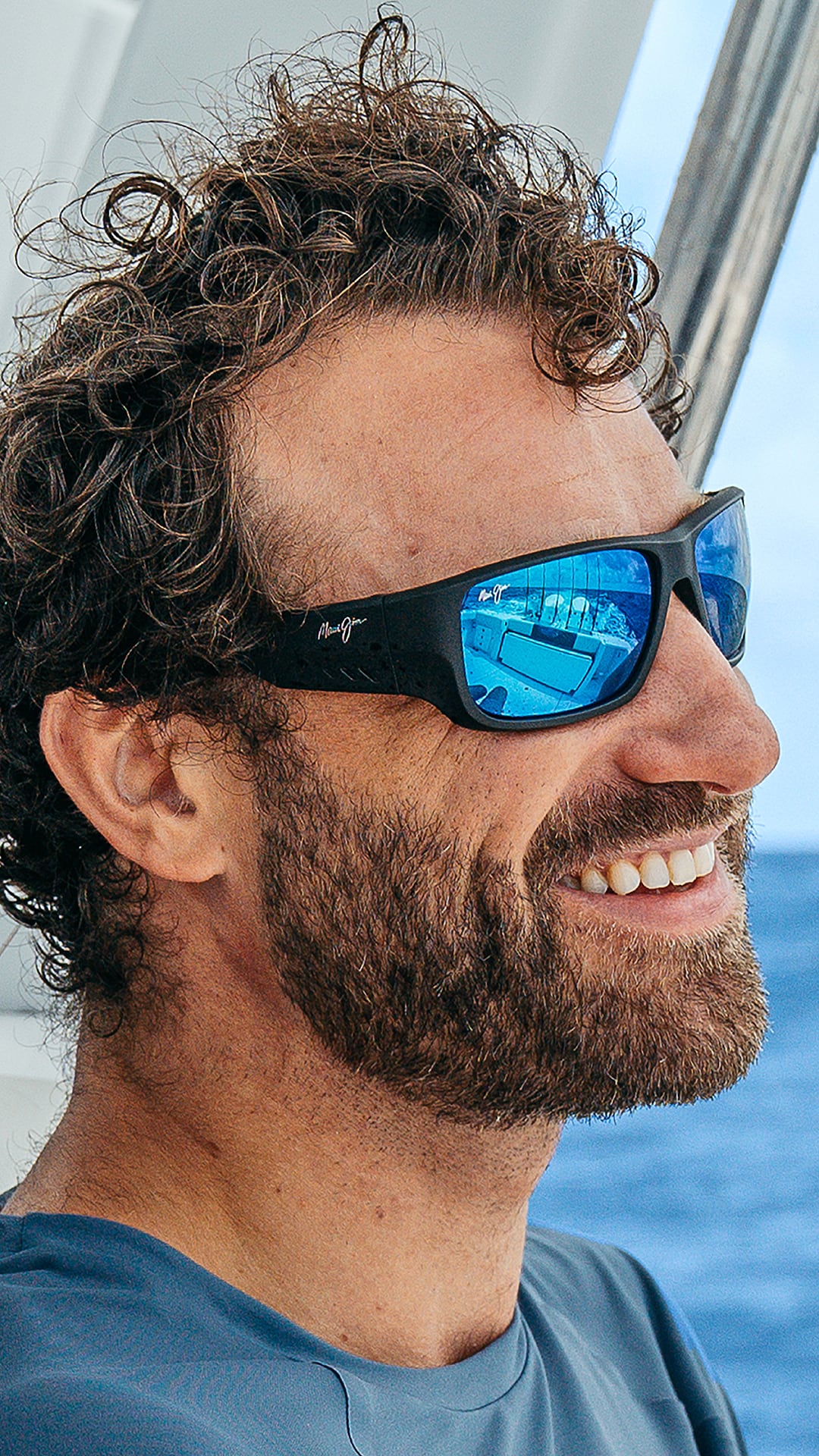
The most effective intervention is blocking the UV exposure that drives pterygium in the first place. This means quality wraparound sunglasses with UV400 protection — every day outdoors, not just at the beach. Our eyewear gallery carries frames specifically suited to high-UV outdoor environments, including prescription options.
If you've noticed a growth or changes in your eyes, book a comprehensive exam or message us on WhatsApp. Catching it early keeps your options open.